Emergencies do not wait for the excellent moment. They land in the center of shift modification, throughout a client browse through, on a warm Friday when the air conditioning is already having a hard time. What makes the distinction in between a close call and a catastrophe is typically the high quality of your emergency control organisation, and whether your wardens recognize what to do without hesitation. The pathway from fire warden to chief warden is not practically gathering certifications. It is a development in judgment, tranquil choice making, and the capacity to lead people when the alarm is actual and the clock is unforgiving.
This overview traces a sensible pathway with both core proficiency units in Australia that underpin this ability: PUAETF devices have greatly been superseded by PUA and PUAFER units, consisting of PUAFER005 Operate as part of an emergency control organisation and PUAFER006 Lead an emergency control organisation. It discusses where each training course fits, what is anticipated of you at each level, exactly how to structure training on website, and the challenges that flounder even well ready teams.
The emergency control organisation in practice
Every center needs an emergency situation control organisation, often called the ECO, with wardens designated to locations or floors, a chief warden, and frequently a replacement chief warden and interactions police officer. In multi constructing or multi renter sites, each tenancy might have its very own ECO that coordinates to a structure level chief warden. The ECO's job is to spot, communicate, and respond to events, after that support evacuation or moving up until emergency solutions take command. That seems uncomplicated, yet every structure, roster pattern, and threat account makes complex the job.
Think of the ECO as a muscle mass you develop, not a roster you fill. The structure has to match your occupancy account. That includes after hours coverage, contractors, visitors, and access requirements. It likewise includes the less obvious: a significant printer moving that blocks a course of traveling, or a gain access to card plan that inadvertently traps visitors at gates throughout emptying. The most effective ECOs look out to small modifications since small modifications frequently have large impacts under stress.
Fire warden fundamentals, the PUAFER005 standard
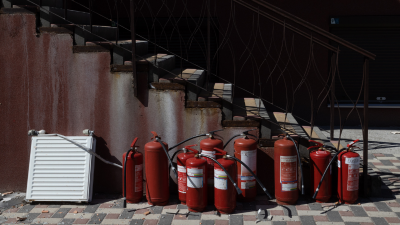
The warden path starts with PUAFER005 Operate as part of an emergency control organisation. In ordinary terms, this is your fire warden course. The unit covers the core jobs wardens perform throughout pre occurrence preparedness and throughout an occasion: sweeping locations, using fire tools when safe, communicating with the chief warden, directing people to setting up, and maintaining themselves safe.
Fire warden training under PUAFER005 focuses on the nuts and bolts:
- Recognition of alarms and warning systems, including tones, strobes, WIP phones, and PA announcements. Practical use of mobile tools such as extinguishers and fire blankets, and the judgment to recognize when not to utilize them. Search and cleaning techniques, consisting of just how to move shower rooms, server rooms, quiet spaces, and end of journey centers where people wear earphones or could not hear the alarm. Communication protocols using radios and WIP panels, and the technique to keep messages brief and precise. Assisting owners with impairments or injuries, consisting of making use of Evacuation Chairs and group methods on stairs.
That all looks basic till you do it for real. In one emptying I observed, a warden who breezed via theory training froze at the view of smoke pressing from a kitchen space. The extinguisher hung untouched for a matter of five while the kettle boiled completely dry and the array hood caught. The re-training later on did not focus on theory. We transferred to situation drills in the actual kitchenette, with full PPE and a secure shed tray, so the muscle memory took over. That is the spirit of PUAFER005: useful, website specific, and grounded in actual tasks.
Fire warden demands in the workplace
Workplaces have to designate wardens proportionate to their risk and occupancy. As a rule of thumb, one warden for each 20 to 50 residents on a flooring works for low danger offices, but higher risk atmospheres require even more protection. Consider the impact: lengthy corridors, numerous fire doors, mezzanines, or controlled locations like labs all demand extra wardens. You need sufficient depth to cover leave, travel, and sick days, and to cover night shifts or weekend operations if the site runs around the clock.
There is no use naming wardens unless you provide the moment and authority to train. If supervisors do not release wardens for drills, you have a paper ECO. Build training right into the calendar and secure it similar to you would certainly a customer deadline.
Fire warden training requirements and cadence
The common technique is preliminary PUAFER005 course delivery, site induction specific to your building, and afterwards refresher courses. Annual refresher training keeps competency current. If your dangers alter, freshen sooner. After any type of genuine case, deal with the article case testimonial as a finding out occasion and routine targeted abilities sessions. Keep a training matrix by name, duty, and proficiency date, and audit it quarterly. If you are audited or after an occurrence, that matrix is the first record asked for.
Helmets, hats, and the genuine factor of colours
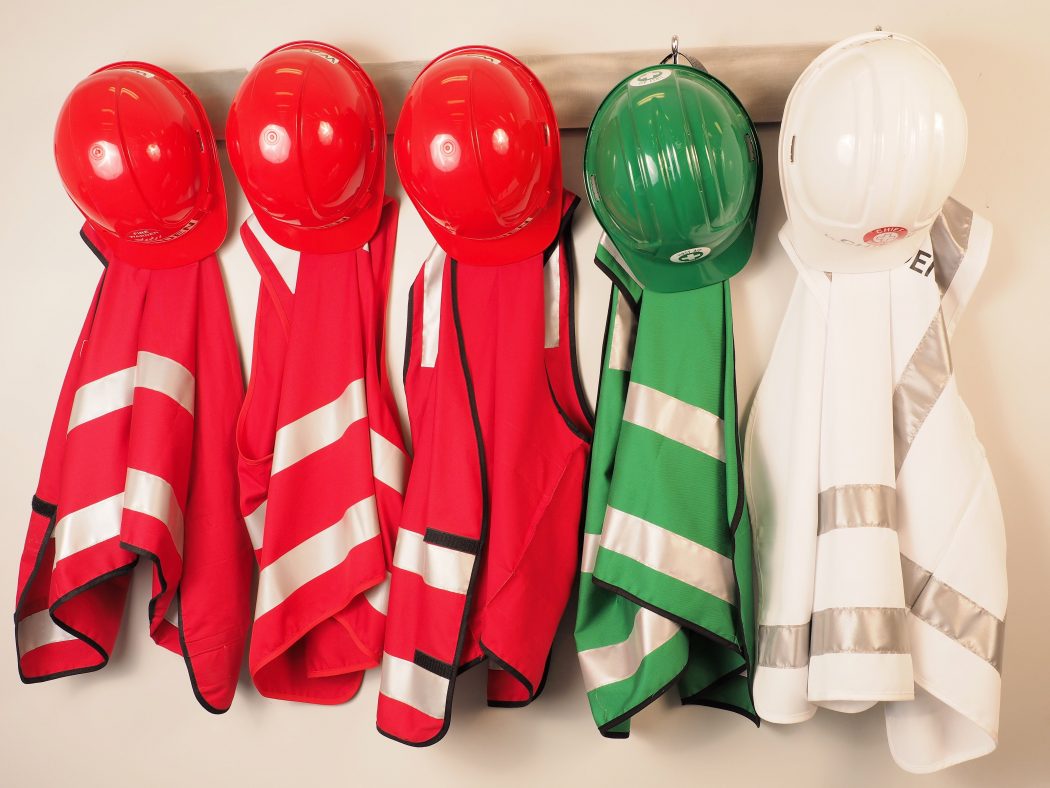
People often inquire about the fire warden hat colour and what colour helmet a chief warden wears. Tones differ by territory and business policy, however one of the most commonly made use of system in Australia assigns red to area wardens and white to chief wardens. Communications or replacement roles often wear white with marked identifiers or sometimes yellow. High exposure vests with the function published front and back have actually mainly replaced difficult headgears in lots of workplaces that do not require head protection by default, though safety helmets still show up on building websites and plants.
Colour is a tool for rate. In a crowded setting up location, passengers must have the ability to choose the chief warden in two secs, not twenty. Make certain your vests are tidy and easily accessible, not buried in a cupboard. I have actually seen groups shed mins rummaging for the right vest while the alarm shrieks. Pick your scheme, label tools, and shop it at nominated points. The better concern is not what colour helmet a chief warden uses, it is whether the chief warden, clearly recognizable, is simple to locate and in control when people look for leadership.
Stepping up to management, the PUAFER006 standard
Where PUAFER005 has to do with running as component of an ECO, PUAFER006 Lead an emergency control organisation has to do with command. The chief warden's duty increases from doing jobs to making decisions, allocating sources, and liaising with emergency solutions. A PUAFER006 course prepares you to run rundowns, established concerns, control communications, and preserve situational awareness as problems change.
Chief warden responsibilities extend beyond emptying day. They include building an ECO that can cover absences, preserving emergency situation feedback strategies, coordinating with the building supervisor or body corporate, guaranteeing devices like WIP phones and EWIS are checked, and keeping training existing. Throughout an occasion, the chief warden:
- Confirms the occurrence panel place and type, validates info from flooring wardens, and prevents premature emptying when an alert can be investigated. Sets up a control factor, typically the fire control space or a safe vantage in the lobby, and regulates all radio traffic. Decides in between defend in place, partial evacuation, and complete emptying with organized sequencing to prevent stairwell congestion. Keeps a solitary interaction channel to emergency situation solutions, supplies concise updates, and adheres to guidelines when they show up on site.
The most innovative component of PUAFER006 is decision making under uncertainty. Smoke records on level 3 may be vapor. A smell of burning plastic on level 7 might be a lift electric motor controller, not a workplace fire. Drawing the building out needlessly costs hundreds of efficient hours and blunts the seriousness of future alarm systems. Postponing also lengthy courts disaster. You will not obtain every telephone call best, however you can get the process right. That implies verify swiftly, make a decision, and communicate in plain language.
Chief warden training that works
Good chief fire warden training blends class work with practical drills at the site control board. Run tabletop exercises with layout, after that relocate to live simulations with radios. Revolve replacements via the chair so the team is not over depending on someone. If you have a large site, run split scenarios where 2 cases happen simultaneously, for example a little battery fire on one degree and a medical emergency situation near a stairwell on another. It tests prioritisation and delegation better than any lecture.
Chief fire warden duties additionally include tranquil aftercare. When the Fire Brigade hands you the site, you manage the return or stand down. That involves accountancy for occupants, making announcements, and managing the challenging happy medium when some floors can return and others stay isolated. Paper your decisions. Regulators and insurance companies try to find evidence that a competent individual led the response.
Matching programs to individuals and risks
Not everyone should be a chief warden, and not every confident audio speaker should be a floor warden. Select for judgment, reliability, and the capability to maintain their voice degree when the room is loud. Individuals with deep center understanding shine in warden functions. Security, upkeep, mailroom supervisors, and long tenured administrators frequently recognize the structure far better than anybody else. They recognize which fire doors stick on humid days and which exit floodings in a downpour.
Start with PUAFER005 for any person designated as an emergency warden. For those that have management possible or cover the entrance hall, security workdesk, or centers feature, development to PUAFER006. In big or complicated websites, choose a small cadre of chiefs and replacements who turn through responsibility weeks. In websites with high risk procedures, such as laboratories, kitchens, or assembly lines, spend more time in scenario job and on making use of neighborhood firefighting tools. For a multi occupant structure, your chief warden should collaborate with the building's chief warden to coordinate emptyings, specifically if tenants share stairs or plant rooms.
The warden course series, step by step
Below is a concise pathway that mixes conformity with sensible readiness.
1) Appoint and brief. Determine wardens by location and shifts. Issue vests, radios, and secrets or accessibility credentials. Stroll the paths with them.
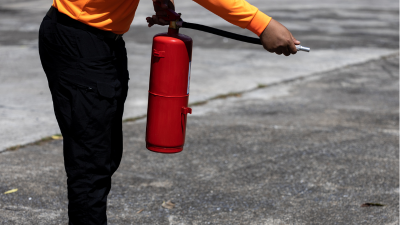
2) Train to PUAFER005. Reserve a trusted company for on site training that covers your panel and devices. Include extinguisher practice.
3) Induct chiefs to PUAFER006. Put your chief warden and deputies with the training course with circumstance drills at your actual site, not just a classroom.
4) Drill every three months. Alternating in between emptying drills, partial movings, and targeted exercises like stairwell flow and interactions practice.
5) Review and rejuvenate. After each drill or incident, capture lessons learned, upgrade procedures, and timetable refreshers. Maintain your matrix current.
Working with tools and infrastructure
You can not lead what you do not comprehend. Wardens and chiefs need to be hands on with the structure's systems. Hang around at the fire indication panel, recognize exactly how the EWIS acts in Alert and Discharge modes, and technique utilizing WIP phones. In high rise structures, staircase pressurisation and lift homing affect just how individuals relocate and just how smoke behaves. In heritage buildings with weird egress paths, method is vital.
Do not overlook the modest radio. I have watched otherwise well trained groups fail due to sloppy radio technique. Restriction babble. Maintain messages short: place, status, activity needed. Use plain English, not lingo. And bring spare batteries. A 10 dollar oversight can sink a million dollar response.
Documentation that in fact helps
Emergency strategies tend to bloat. Go for a lean paper that anybody can check out while worried. Maintain call trees existing, and consist of a one web page role card for every warden duty with the fundamentals in order: identify, connect, sweep, report, help. Place laminated copies at the control factor. For the chief warden, include decision triggers: confirm resource, choose action degree, control comms, coordinate with fire solutions, make up residents, initiate organization continuity if needed.
Logs issue. During an occurrence, appoint a scribe if you can spare one. Time stamp trick decisions and reports. Later, that record will certainly aid you clarify why a choice made sense with the details you had.
Edge instances that arrange the excellent from the great
Real structures do not act like diagrams. A few chronic problem places should have focus:
- Assembly areas that come to be wind passages. Settle on fallback places and instruct wardens just how to make the telephone call if smoke drifts. Stairwell bottlenecks. Surprise evacuation by floors or fifty percents of floorings to stay clear of crush, particularly in narrow staircase cores. Visitors and professionals. Reception has to have a quick roll and a method to recognize who is still within. QR code sign in systems assist, yet only if a person owns the process throughout an evacuation. People with temporary impairments. A sprained ankle after a netball game can make complex egress. Educate buddy systems and plan for carry helps with Evacuation Chairs. Power and lighting failure. Practice emptyings with lights off in at least one drill each year. Torches in warden kits are not optional.
The colour question, revisited
If you standardise on vests as opposed to helmets, label them clearly: Chief Warden, Deputy Chief hat colour for chief fire wardens Warden, Communications, Floor Warden. Keep spares and size them for wear over large clothes or high vis. If you operate in a site that requires helmets, keep a constant color scheme across contractors and lessees. The chief warden hat colour must be immediately recognisable, usually white. File your scheme in the emergency situation plan and display it near the panel so contractors and site visitors can orient quickly.
Training providers and quality markers
Not all courses are equal. For PUAFER005 and PUAFER006, try to find trainers who insist on website specific delivery. A good PUAFER005 course ties extinguisher method to the real risks in your work environment, as an example electric closets, lithium battery billing areas, or industrial cooking areas. An excellent PUAFER006 course spends time at your panel, examinations your comms, and runs circumstances that fit your occupancy pattern.
Ask companies how they validate competency past a test. Ask whether they consist of message training course suggestions for your site. The best instructors leave you with a strike listing of small repairs that improve real readiness: a mislabeled door, a radio dead place, a cabinet blocking an exit sign.
Maintaining capability over time
People adjustment work, workplaces are refurbished, and plant spaces progress. Capability decomposes if you disregard it. Turn wardens with different areas so chief warden qualifications knowledge spreads. When you onboard a new floor, run a brief warden workshop before occupancy. After any type of fire alarm that causes an evacuation, hold a brief debrief the very same day while memories are fresh. Catch what worked and what did not. If the alarm was incorrect or due to upkeep, explain that to personnel. Silence types cynicism.
For leaders, get out of the chief function periodically and trail a flooring warden throughout a drill. You will certainly find out where directions are unclear. Likewise, placed a replacement in the chair throughout a drill while you stand back and observe. Better to locate a weak point after that than during a real smoke event.
Legal and functional alignment
Regulators expect that you designate, educate, and resource your ECO. They also anticipate records. Keep copies of PUAFER005 course certificates and PUAFER006 course certifications, plus your drill documents and equipment solution logs. If your website covers numerous territories or includes high danger areas like harmful chemical storage, validate any type of added obligations with your security team. Compliance keeps you honest, however the genuine reward is strength under pressure.
One day on the floor, two perspectives
A brief story from a school design site. At 10:42 a.m., a faint burning smell reached degree 2. A brand-new warden, lately trained under PUAFER005, followed procedure: reported to the principal, started a rapid move, and located a printer fuser smouldering in a copy space. He shut the door to restrict smoke and pulled the neighboring CO2 extinguisher with a colleague. The chief warden, educated under PUAFER006, held the discharge order while verifying with the Fire Indicator Panel, then introduced a local emptying for levels 2 and 3 just, with a pointer to stay clear of stairwell A due to maintenance. The brigade showed up to a tranquil entrance hall and clear information. Complete interruption: 27 minutes for 2 floorings, zero injuries, and one printer replaced that mid-day. That is the mark of a pathway functioning as it needs to: job capability at the warden degree, gauged choice making at the principal level.
Building your path, from warden to chief
If you are starting from scratch, set a 90 day strategy:
- Week 1 to 2: designate wardens, define areas, and supply packages with vests, torches, and radios. Week 3 to 6: supply PUAFER005 operate as part of an emergency control organisation to all wardens, with extinguisher practice. Week 7 to 8: provide PUAFER006 lead an emergency control organisation to principals and deputies, consisting of panel drills. Week 9 to 12: run a full structure drill and a targeted scenario, then evaluation, solution, and routine the next quarter's exercises.
From there, keep tempo. A year goes rapidly. Without a schedule, training drifts, lineups change, and institutional knowledge thins out.
Common inquiries, answered plainly
Do I need both PUAFER005 and PUAFER006 courses? If you will certainly lead the ECO as chief or replacement, yes. If you act as a floor or area warden, PUAFER005 is the standard. Some organisations upskill elderly wardens with PUAFER006 to strengthen coverage.
How frequently should emergency warden training occur? Run an official refresher course at least each year. Add targeted sessions after changes or occurrences. Short refresher courses at the beginning of fire period are smart for sites in bushfire vulnerable areas.
What regarding chief fire warden requirements? Beyond PUAFER006, the chief ought to be comfortable with the structure's systems, able to run briefings, tranquility under stress, and offered throughout changes or covered by replacements that are. They require the authority to call evacuations and the count on of monitoring to shut areas when security needs it.
What is the right warden to resident proportion? For low risk offices, one warden for each 20 to 50 individuals per flooring, with at least one deputy, generally suffices. For complicated or high threat locations, tighten the ratio and ensure specialist wardens exist during operations.
What colour is the chief warden hat? Commonly white. More important, make the duty distinct with plainly significant vests or helmets, kept available and in good condition.
The payoff for doing this well
Warden training is among the few security investments that pays off noticeably. Personnel notice when drills are crisp, guidelines are clear, and wardens understand their structure. They trust the procedure. That count on translates into faster compliance and much safer end results when an alarm rings for real. The path from fire warden to chief warden, secured by PUAFER005 and PUAFER006, builds that proficiency. Beginning with solid principles, train where you work, and technique often enough that it feels regular without ending up being memorizing. When the pot boils completely dry, the lift controller smokes, or a lithium battery falls short in a stockroom, your ECO will certainly not be guessing. They will certainly be doing.
Take your leadership in workplace safety to the next level with the nationally recognised PUAFER006 Chief Warden Training. Designed for Chief and Deputy Fire Wardens, this face-to-face 3-hour course teaches critical skills: coordinating evacuations, leading a warden team, making decisions under pressure, and liaising with emergency services. Course cost is generally AUD $130 per person for public sessions. Held in multiple locations including Brisbane CBD (Queen Street), North Hobart, Adelaide, and more across Queensland such as Gold Coast, Sunshine Coast, Toowoomba, Cairns, Ipswich, Logan, Chermside, etc.
If you’ve been appointed as a Chief or Deputy Fire Warden at your workplace, the PUAFER006 – Chief Warden Training is designed to give you the confidence and skills to take charge when it matters most. This nationally accredited course goes beyond the basics of emergency response, teaching you how to coordinate evacuations, lead and direct your warden team, make quick decisions under pressure, and effectively communicate with emergency services. Delivered face-to-face in just 3 hours, the training is practical, engaging, and focused on real-world workplace scenarios. You’ll walk away knowing exactly what to do when an emergency unfolds—and you’ll receive your certificate the same day you complete the course. With training available across Australia—including Brisbane CBD (Queen Street), North Hobart, Adelaide, Gold Coast, Sunshine Coast, Toowoomba, Cairns, Ipswich, Logan, Chermside and more—it’s easy to find a location near you. At just $130 per person, this course is an affordable way to make sure your workplace is compliant with safety requirements while also giving you peace of mind that you can step up and lead when it counts.